
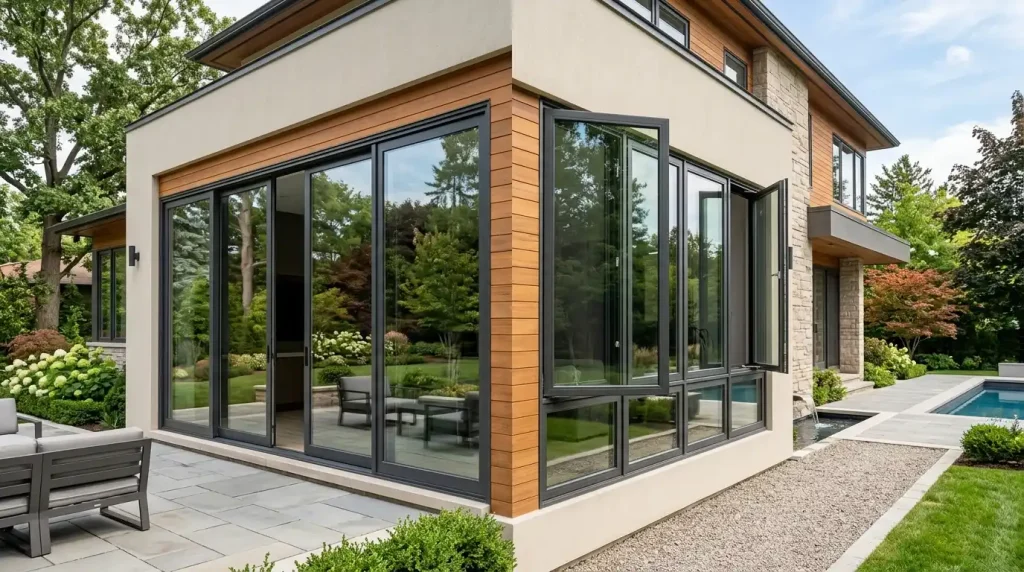
When planning a new home or renovating an existing property, selecting the right window system is one of the most important decisions homeowners make. Windows are not simply openings that allow light and air into a building. They significantly influence comfort, ventilation, energy efficiency, aesthetics, security, and overall property value. Among the many window options available today, Sliding Windows vs Casement Windows remains one of the most searched and debated topics in modern architecture.
Both window styles are widely used in residential and commercial construction because they offer unique benefits and functional advantages. However, choosing between Sliding Windows vs Casement Windows can become challenging when homeowners are unsure which option best suits their lifestyle, architectural preferences, and practical requirements.
Understanding the differences between Sliding Windows vs Casement Windows helps homeowners make an informed decision that delivers long-term performance and satisfaction. While one style may offer better ventilation, another may provide superior space efficiency or a more contemporary appearance. The ideal choice depends on multiple factors including room size, climate conditions, maintenance expectations, and design objectives.
This comprehensive guide explores every aspect of Sliding Windows vs Casement Windows, helping you determine which solution works best for your modern home.
Sliding Windows have become increasingly popular in contemporary homes due to their sleek appearance and practical operation. These windows operate horizontally by moving along a track system. Instead of swinging inward or outward, one or more panels slide smoothly from side to side.
Modern architects often prefer sliding windows because they complement minimalist and contemporary designs. Their clean lines create a sophisticated visual appeal while maximizing natural light. Since they do not require additional space for opening and closing, sliding windows are particularly suitable for areas where space is limited.
One of the strongest advantages of sliding windows is convenience. Homeowners can easily operate them with minimal effort, making them ideal for large openings and wide wall sections. Their simple mechanism also contributes to long-term reliability when properly maintained.
In the discussion of Sliding Windows vs Casement Windows, sliding systems are frequently chosen for balconies, living rooms, patios, and spaces where unobstructed outdoor views are desired. Their larger glass areas help create bright interiors and a stronger connection between indoor and outdoor environments.
Another reason homeowners consider sliding windows is their ability to fit seamlessly into modern architectural concepts. Their streamlined appearance aligns perfectly with contemporary residential trends focused on simplicity, openness, and elegance.
Casement windows operate differently from sliding systems. These windows are attached to the frame through side-mounted hinges and open outward like a door. They are usually operated using a handle or crank mechanism that allows smooth opening and closing.
In the comparison of Sliding Windows vs Casement Windows, casement windows are often recognized for their superior ventilation capabilities. Because the entire sash opens outward, they allow more fresh air to enter the room compared to many other window types.
Casement windows have been widely used for decades due to their practical functionality and timeless appearance. Modern versions combine advanced engineering with contemporary aesthetics, making them suitable for both traditional and modern homes.
One notable advantage of casement windows is their ability to direct airflow into the building. When positioned strategically, they can capture breezes and improve natural ventilation throughout interior spaces. This feature is especially beneficial in regions where homeowners prioritize fresh air circulation and reduced dependence on mechanical cooling systems.
Casement windows also offer a strong and secure seal when closed. Their locking mechanisms press the sash tightly against the frame, contributing to improved insulation and weather resistance.
The visual appearance of windows plays a major role in architectural design. When comparing Sliding Windows vs Casement Windows, aesthetics often influence the final decision as much as functionality.
Sliding windows are generally associated with modern architecture. Their wide glass panels and slim frames create a contemporary look that complements open floor plans and modern facades. They contribute to clean, uninterrupted views and enhance the sense of spaciousness within a home.
Casement windows provide a more classic yet versatile appearance. Depending on the frame design and finishing materials, they can complement both traditional and contemporary architectural styles. Their outward-opening design adds visual character and architectural depth to exterior elevations.
For homeowners seeking a minimalist design language, sliding windows often become the preferred choice. For those wanting a combination of elegance, character, and functionality, casement windows can offer greater architectural flexibility.
The decision between Sliding Windows vs Casement Windows ultimately depends on the desired aesthetic outcome and the overall design vision for the property.
Ventilation is one of the most significant considerations when evaluating Sliding Windows vs Casement Windows.
Sliding windows typically allow only part of the opening to be utilized for airflow because one panel slides behind another. While they still provide adequate ventilation, the airflow capacity is naturally limited by the design.
Casement windows excel in ventilation performance because the entire sash can open outward. This larger opening enables greater airflow into the room, improving indoor comfort and air quality.
In regions with warm climates, effective ventilation becomes increasingly important. Homes designed to maximize natural airflow can often maintain more comfortable indoor conditions while reducing energy consumption.
Because of their ability to capture and direct wind, casement windows are frequently recommended for bedrooms, kitchens, and living spaces where ventilation is a priority.
When ventilation is the primary concern, the comparison of Sliding Windows vs Casement Windows generally favors casement systems.
Space efficiency is another critical factor influencing window selection.
Sliding windows are highly efficient in terms of space utilization because they operate within their own frame. They do not project inward or outward, making them ideal for locations near walkways, patios, balconies, and compact rooms.
Homeowners often choose sliding windows in areas where furniture placement or exterior obstacles might interfere with window operation.
Casement windows require clearance outside the building because they swing outward during operation. While this design enhances ventilation, it may not always be practical in tight exterior spaces.
In the discussion of Sliding Windows vs Casement Windows, sliding systems often emerge as the better option for homes where maximizing usable space is a priority.
Their compact operation allows greater flexibility in both interior design and exterior landscaping arrangements.
Modern homeowners increasingly prioritize energy efficiency when selecting building materials and architectural components.
The comparison of Sliding Windows vs Casement Windows reveals important differences in thermal performance.
Casement windows generally provide a tighter seal when closed. Their compression-style locking systems help minimize air leakage and improve insulation performance. This contributes to better temperature control and lower energy costs throughout the year.
Sliding windows have also improved significantly through modern engineering and high-quality weather sealing technologies. However, their track-based operation can sometimes result in slightly higher air infiltration compared to tightly sealed casement systems.
For homeowners focused on maximizing energy efficiency, casement windows often hold a slight advantage. Nevertheless, both window types can deliver excellent thermal performance when manufactured using premium materials and installed correctly.
Maintenance plays a significant role in long-term window performance.
Sliding windows are relatively simple to maintain. Regular cleaning of tracks and rollers helps ensure smooth operation. Their straightforward design minimizes the number of moving components, reducing maintenance complexity.
Casement windows contain hinges, locking systems, and operating mechanisms that require periodic inspection and maintenance. Proper lubrication and occasional adjustments help preserve optimal performance.
In terms of accessibility, casement windows may be easier to clean from inside the home, depending on their design. Sliding windows with large glass surfaces can also be maintained effectively with routine care.
The maintenance comparison between Sliding Windows vs Casement Windows depends largely on the specific product quality and installation standards.
Choosing between Sliding Windows vs Casement Windows requires careful consideration of your specific needs and priorities.
Homeowners seeking modern aesthetics, panoramic views, and space-saving functionality often prefer sliding windows. Their contemporary appearance and ease of operation make them highly suitable for modern residential architecture.
Those prioritizing ventilation, energy efficiency, and weather resistance frequently lean toward casement windows. Their ability to maximize airflow and create a tighter seal makes them attractive for performance-focused homeowners.
The ideal solution depends on factors such as room layout, climate conditions, architectural style, maintenance preferences, and long-term goals.
Many modern homes successfully incorporate both window styles in different areas, leveraging the unique advantages of each system to achieve optimal functionality and design balance.
The debate surrounding Sliding Windows vs Casement Windows continues because both options offer valuable advantages for modern homes. Sliding windows excel in contemporary aesthetics, space efficiency, and expansive views, while casement windows stand out for ventilation, energy efficiency, and weather protection.
Understanding the strengths and limitations of Sliding Windows vs Casement Windows allows homeowners to make confident decisions aligned with their lifestyle and architectural vision. Whether the goal is creating a bright contemporary living space or maximizing natural airflow and energy performance, selecting the right window system can significantly enhance the comfort, beauty, and value of a property.
Investing in high-quality Sliding Windows vs Casement Windows solutions ensures long-term durability, functionality, and satisfaction, making them a valuable addition to any modern home.


© 2026 Buildwick. All Rights Reserved.
