
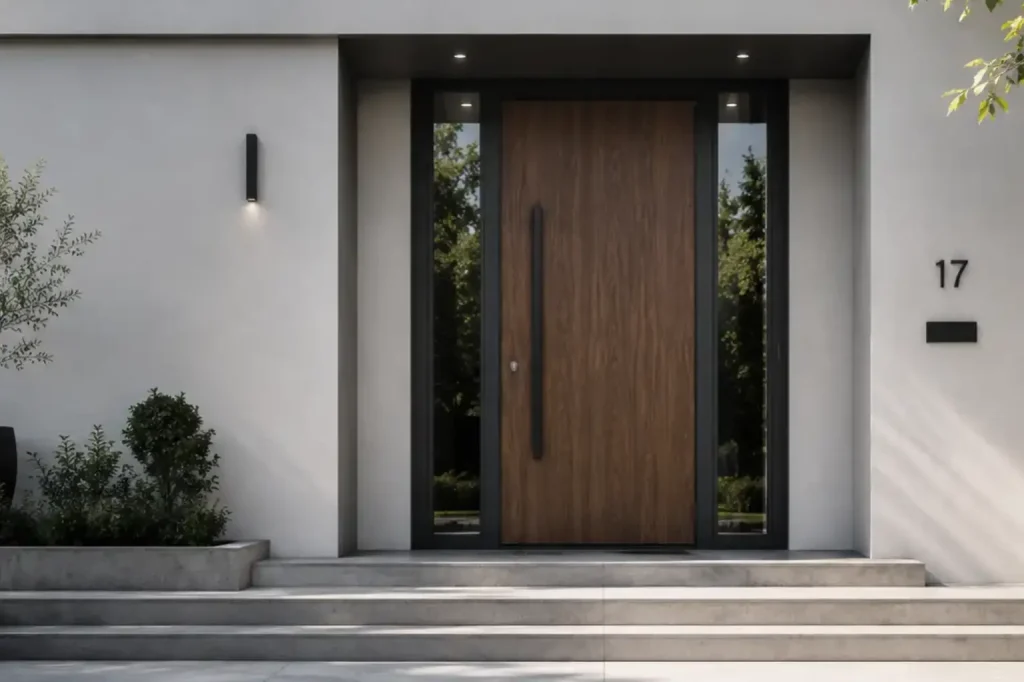
Modern commercial buildings are designed to achieve more than functionality alone. Businesses today prioritize professional appearance, employee comfort, customer experience, and operational efficiency when planning office spaces, retail stores, hotels, educational institutions, and commercial facilities. As architectural trends continue to evolve, building materials and design elements are expected to contribute to both performance and visual appeal.
One architectural feature gaining significant attention is the use of glazed door systems. The growing Benefits of Glazed Doors have made them a preferred choice in contemporary commercial construction. Unlike traditional solid doors, glazed doors incorporate glass panels that create openness, improve visibility, and enhance the overall appearance of a building.
The increasing popularity of glazed doors is closely linked to modern design principles that emphasize natural light, transparency, and space optimization. Commercial property owners are recognizing that door systems play an important role in shaping customer impressions and workplace experiences.
Understanding the Benefits of Glazed Doors can help business owners, architects, and developers make informed decisions when designing modern commercial environments.
First impressions influence how customers, visitors, and clients perceive a business. The entrance area is often the first architectural element people notice when approaching a commercial building.
One of the major Benefits of Glazed Doors is their ability to create a professional and welcoming appearance. Their sleek and contemporary design contributes to a sophisticated image that aligns with modern business expectations.
Commercial spaces that utilize glazed doors often appear more open, accessible, and visually appealing. This enhanced presentation can positively influence customer perception and strengthen brand image.
Businesses operate in highly competitive environments where appearance plays an important role in customer engagement. A well-designed entrance can help establish credibility and professionalism before any interaction even begins.
For this reason, many architects emphasize the Benefits of Glazed Doors when designing modern commercial properties.
Natural light has become one of the most valued elements in contemporary commercial architecture. Bright environments contribute to comfort, productivity, and overall workplace satisfaction.
Among the most significant Benefits of Glazed Doors is their ability to allow natural light to move freely between spaces. Unlike traditional solid doors, glazed systems support the distribution of daylight throughout interior areas.
This improved access to natural light can make offices, reception areas, meeting rooms, and retail spaces feel larger and more inviting. Well-lit interiors often create more pleasant environments for employees and visitors alike.
Commercial buildings that maximize natural light often experience improved workplace comfort and reduced dependence on artificial lighting during daytime hours.
This practical advantage is one of the reasons why the Benefits of Glazed Doors continue to attract attention across various industries.
Space perception is an important consideration in commercial design. Businesses often seek ways to make interiors feel larger without increasing physical floor area.
One of the lesser-known Benefits of Glazed Doors is their ability to visually expand interior spaces. Transparent glass panels create uninterrupted sightlines that make rooms appear more open and connected.
This design feature is particularly beneficial in offices, conference rooms, retail stores, and hospitality environments where creating a spacious atmosphere contributes to a better user experience.
Visual connectivity between spaces can improve navigation and overall building aesthetics. Employees and visitors often find open environments more welcoming and comfortable.
As a result, many designers consider the Benefits of Glazed Doors when developing modern commercial layouts.
Workplace culture has evolved significantly in recent years. Many organizations now prioritize collaboration, communication, and transparency within office environments.
The Benefits of Glazed Doors extend beyond aesthetics by supporting more connected workspaces. Transparent door systems help maintain visual communication while still providing physical separation between rooms.
Employees can remain aware of workplace activity without feeling isolated. This balance between openness and privacy contributes to more collaborative environments.
Modern office designs frequently aim to improve teamwork and communication. Architectural features that promote visibility often support these objectives.
For this reason, the Benefits of Glazed Doors are increasingly recognized in contemporary workplace planning.
Customer experience plays a crucial role in business success. The design of a commercial environment can significantly influence how customers feel when interacting with a brand.
One of the practical Benefits of Glazed Doors is their ability to create inviting and customer-friendly environments. Transparent entrances allow visitors to see inside the building before entering, reducing uncertainty and encouraging engagement.
Retail stores, restaurants, hotels, and showrooms often use glazed doors to establish stronger visual connections with customers.
Commercial environments that appear open and accessible are often more attractive to potential customers. Visibility can encourage foot traffic and improve overall customer interaction.
This customer-focused advantage is among the most valuable Benefits of Glazed Doors in commercial settings.
Contemporary architecture emphasizes simplicity, elegance, and functionality. Materials that support these principles are widely used across modern construction projects.
The Benefits of Glazed Doors align perfectly with these design trends. Their clean lines and modern appearance contribute to sophisticated architectural compositions that complement contemporary buildings.
Whether used in corporate offices, shopping centers, educational facilities, or hospitality projects, glazed doors help create visually appealing environments that reflect current architectural standards.
Architects often seek building components that integrate seamlessly with modern facades and interior designs. Glazed doors provide the flexibility needed to achieve cohesive architectural results.
This design versatility remains one of the most recognized Benefits of Glazed Doors today.
Commercial property owners often evaluate building features based on long-term value and marketability. Modern architectural elements can contribute significantly to property appeal.
Among the lasting Benefits of Glazed Doors is their ability to enhance the overall attractiveness of a building. Contemporary door systems often improve both interior and exterior presentation, helping properties remain competitive in evolving markets.
Buildings that incorporate modern design features may attract greater interest from tenants, customers, and investors.
Property improvements that enhance appearance and functionality often contribute to stronger market positioning.
The long-term advantages associated with the Benefits of Glazed Doors make them a valuable investment for many commercial projects.
The growing popularity of glazed door systems is driven by the many Benefits of Glazed Doors in modern commercial architecture. From improving natural light and enhancing space perception to supporting collaboration and strengthening customer experiences, glazed doors contribute to both functional and aesthetic success.
As businesses continue to prioritize modern design, employee well-being, and customer engagement, glazed doors have become an increasingly important architectural solution. Their ability to create brighter, more open, and visually appealing environments makes them an excellent choice for contemporary commercial buildings.
For organizations seeking to combine performance, style, and long-term value, the Benefits of Glazed Doors provide compelling reasons to incorporate these systems into modern construction and renovation projects.
Glazed doors improve natural light, enhance aesthetics, and create a more open and modern appearance.
Yes, glazed doors are widely used in offices, retail stores, hotels, and other commercial spaces.
Yes, glazed doors allow daylight to flow between spaces, creating brighter interiors
Yes, they support visibility, collaboration, and a more comfortable working atmosphere.
Yes, modern glazed doors enhance building appeal and can improve long-term property value.


© 2026 Buildwick. All Rights Reserved.
