
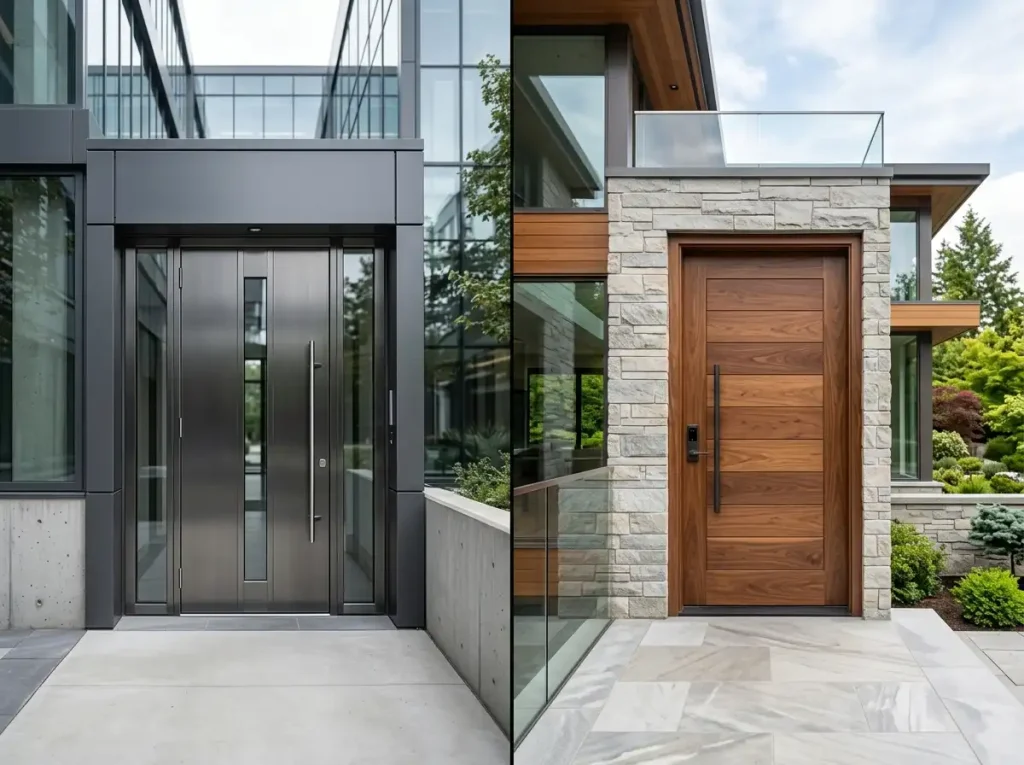
Choosing the right door system is one of the most important decisions in any construction project. Doors are more than just entry points; they contribute to security, durability, aesthetics, and overall building performance. Whether it is a residential home, commercial office, apartment complex, educational institution, or industrial facility, selecting the right door material can significantly impact long-term satisfaction and operational efficiency.
Among the various options available today, the debate around Steel Doors vs Wooden Doors continues to be one of the most common discussions among homeowners, architects, builders, and property developers. Both materials have their own strengths, appearance, and performance characteristics. However, modern construction requirements often demand solutions that can deliver durability, security, and low maintenance while maintaining visual appeal.
Understanding the differences between Steel Doors vs Wooden Doors helps property owners make informed decisions based on their specific needs and project requirements. Factors such as environmental conditions, expected lifespan, maintenance demands, security expectations, and budget considerations all influence the final choice.
This guide explores the key aspects of Steel Doors vs Wooden Doors to help determine which option is better suited for modern buildings.
The primary distinction in the Steel Doors vs Wooden Doors comparison lies in the materials used for construction. Steel doors are manufactured using high-strength steel sheets and engineered components designed to provide superior structural integrity. Wooden doors, on the other hand, are crafted using natural timber or engineered wood products.
These material differences directly influence performance, maintenance requirements, durability, and overall suitability for different environments. While wooden doors have traditionally been popular because of their classic appearance, steel doors have gained significant popularity due to advancements in manufacturing and design technologies.
Modern construction projects increasingly favor materials that offer long-term reliability, making the Steel Doors vs Wooden Doors comparison more relevant than ever.
Steel is known for its strength, durability, and resistance to physical impact. Wood is appreciated for its natural appearance and traditional charm. The choice often depends on whether functionality or aesthetic preference takes priority within a project.
Buildings with frequent daily usage require door systems capable of handling constant operation without experiencing excessive wear and tear. This is particularly important in commercial properties, educational institutions, healthcare facilities, and industrial environments.
When comparing Steel Doors vs Wooden Doors, steel doors generally perform better in high-traffic situations. Their robust construction enables them to withstand repeated use while maintaining structural stability over extended periods.
Wooden doors can also perform effectively, but they may show signs of wear more quickly, especially when exposed to heavy usage. Surface scratches, dents, and environmental exposure can affect their appearance over time.
The number of people using a door each day can influence its lifespan significantly. High-traffic areas often benefit from materials that offer maximum durability and minimal maintenance requirements.
This is one reason why Steel Doors vs Wooden Doors comparisons frequently favor steel solutions for commercial and industrial applications.
Environmental exposure plays a critical role in determining the longevity of door systems. Buildings located in regions with humidity, rainfall, temperature fluctuations, or harsh weather conditions require materials capable of maintaining performance under challenging circumstances.
In the Steel Doors vs Wooden Doors debate, steel doors generally provide superior resistance to environmental factors when properly treated and finished. They are less susceptible to swelling, warping, cracking, or rotting.
Wooden doors can be affected by moisture absorption, particularly if maintenance is neglected. Changes in humidity and temperature may impact their dimensions and overall condition over time.
Long-term exposure to weather conditions can influence appearance, functionality, and maintenance needs. Property owners should evaluate local climate conditions before making a final decision.
Understanding environmental performance is essential when comparing Steel Doors vs Wooden Doors for long-term applications.
Security remains a top priority for both residential and commercial buildings. Door systems serve as one of the primary protective barriers between occupants and external threats.
One of the strongest advantages in the Steel Doors vs Wooden Doors comparison is the security performance offered by steel. Steel doors provide excellent resistance to forced entry attempts due to their robust construction and structural strength.
While wooden doors can offer adequate security when properly designed, they generally cannot match the impact resistance provided by high-quality steel door systems.
Modern property owners increasingly prioritize safety and protection. Secure door systems help safeguard occupants, assets, and sensitive areas within a building.
This makes security a major factor when evaluating Steel Doors vs Wooden Doors for contemporary construction projects.
Maintenance requirements often influence the total cost of ownership associated with building components. Materials that require frequent repairs or refinishing can increase long-term expenses significantly.
In the Steel Doors vs Wooden Doors comparison, steel doors are generally recognized for their low-maintenance characteristics. They typically require only periodic cleaning and routine inspections to maintain performance.
Wooden doors often need more attention to preserve their appearance and structural integrity. Painting, polishing, sealing, or refinishing may be necessary depending on environmental exposure and usage conditions.
Property owners should consider not only initial installation costs but also the time and resources required to maintain door systems over many years.
This practical consideration frequently influences decisions regarding Steel Doors vs Wooden Doors in both residential and commercial settings.
Initial purchase price is only one aspect of overall investment value. Long-term ownership costs often provide a more accurate representation of financial performance.
Although steel doors may sometimes involve higher upfront costs, their durability and reduced maintenance needs can contribute to lower lifetime expenses. Fewer repairs and replacements often result in better long-term value.
Wooden doors may initially appear cost-effective, but ongoing maintenance and potential replacement requirements can influence overall ownership costs.
Smart construction decisions focus on lifecycle value rather than simply comparing purchase prices. Evaluating durability, maintenance, and expected lifespan provides a more complete picture.
This approach is particularly useful when analyzing Steel Doors vs Wooden Doors for long-term projects.
Visual appearance remains an important factor in architectural design. Doors contribute significantly to a building’s overall character and first impression.
Wooden doors have traditionally been valued for their natural textures, warmth, and timeless appearance. They can complement classic, traditional, and luxury architectural styles effectively.
Modern steel doors, however, have evolved considerably. Advanced manufacturing techniques allow them to be customized with contemporary finishes, textures, and design features that suit modern architecture.
The best door system often combines visual appeal with practical functionality. Modern projects increasingly seek solutions that achieve both objectives simultaneously.
The design aspect continues to be an important consideration within the Steel Doors vs Wooden Doors discussion.
Sustainability has become an important priority in modern construction. Property owners increasingly evaluate the environmental impact of building materials before making purchasing decisions.
Many modern steel door systems incorporate recyclable materials and support sustainable construction practices. Their long lifespan can also reduce material consumption over time.
Wooden doors may appeal to environmentally conscious buyers when sourced responsibly. However, sustainability performance depends heavily on manufacturing processes and material sourcing practices.
Environmentally responsible building decisions contribute to long-term sustainability goals while improving overall project value.
The sustainability perspective adds another dimension to the ongoing Steel Doors vs Wooden Doorscomparison.
The answer depends largely on project priorities and operational requirements. Buildings that prioritize security, durability, weather resistance, and low maintenance often benefit more from steel doors.
Projects emphasizing traditional aesthetics and natural material appeal may still favor wooden doors. However, modern construction increasingly demands solutions that provide reliable long-term performance with minimal upkeep.
For many commercial, industrial, and high-traffic applications, steel doors often deliver stronger overall value due to their durability and lifecycle advantages.
The best decision should consider functionality, maintenance, security, environmental conditions, and future operating costs rather than focusing on a single factor.
This comprehensive approach provides a clearer understanding of Steel Doors vs Wooden Doors for modern buildings.
The debate surrounding Steel Doors vs Wooden Doors continues because both materials offer unique advantages. Wooden doors provide classic beauty and traditional appeal, while steel doors deliver exceptional durability, security, weather resistance, and low maintenance performance.
For modern buildings that prioritize long-term value, reliability, and operational efficiency, steel doors often emerge as the stronger choice. Their ability to withstand demanding conditions while maintaining performance makes them a preferred solution across residential, commercial, and industrial applications.
By carefully evaluating project requirements and long-term objectives, property owners can confidently choose between Steel Doors vs Wooden Doors and invest in a solution that supports both immediate needs and future performance expectations.
Steel doors are generally more durable and resistant to wear, moisture, and impact than wooden doors.
Yes, steel doors offer higher security due to their strong construction and resistance to forced entry.
Yes, wooden doors typically require regular polishing, painting, or sealing to maintain their appearance and performance.
Steel doors are often preferred for commercial buildings because of their durability, security, and low maintenance requirements.
Yes, modern steel doors are available in various styles and finishes, making them suitable for contemporary building designs.


© 2026 Buildwick. All Rights Reserved.
